
Pipelines play a crucial role in transporting oil, gas, and other substances across vast distances. The infrastructure required for these pipelines is extensive, involving not only the pipes themselves but also monitoring systems, access roads, and maintenance facilities. Understanding the complexities of pipeline operations gives insight into why robust leak detection systems, including effective Pipeline Leak Detection measures, are crucial for safety and environmental protection. For instance, in 2010, the Deepwater Horizon oil spill highlighted the dire consequences of inadequate leak detection measures, resulting in significant environmental damage and financial losses. As such, investment in sophisticated pipeline monitoring technologies is imperative for preventing similar disasters.
In conclusion, the implementation of advanced pipeline leak detection systems is vital for the sustainability of the oil and gas industry. As we move forward, the integration of new technologies, such as AI and big data analytics, will further refine our ability to monitor pipelines effectively. Companies must prioritize these developments to ensure a safer and more environmentally-friendly future. The ongoing evolution of Pipeline Leak Detection technologies holds the promise of not only enhancing safety measures but also driving innovation within the industry, ultimately leading to more sustainable practices.
Effective pipeline leak detection systems, including Pipeline Leak Detection, are essential for protecting the environment and maintaining the safety of these lines. These systems not only minimize the risk of accidents but also enhance the operational efficiency of the pipeline network. A well-designed leak detection system can alert operators before a small leak becomes a larger issue, preventing costly repairs and environmental damage. Innovations in this area have led to the implementation of real-time monitoring systems, which use a combination of sensors and data analysis to provide immediate feedback on the pipeline’s status, allowing for swift action when leaks are detected.
When leaks occur, they can cause significant damage and environmental harm, making timely detection vital. For example, a small leak can lead to soil contamination, waterway pollution, and health hazards for nearby communities. In many cases, the financial implications of a leak can be substantial, including fines, cleanup costs, and damage to a company’s reputation. Therefore, understanding leak detection is not just a technical issue; it’s an essential aspect of corporate responsibility.
Furthermore, the economic implications of leaking pipelines cannot be overstated. Beyond the immediate cleanup costs, companies face long-term financial repercussions, including regulatory fines, litigation expenses, and reputational damage. For example, the Enbridge oil spill in Michigan resulted in over $1 billion in cleanup costs and legal fees, emphasizing the necessity for robust leak detection systems. By investing in these technologies, companies not only protect the environment but also safeguard their financial stability.
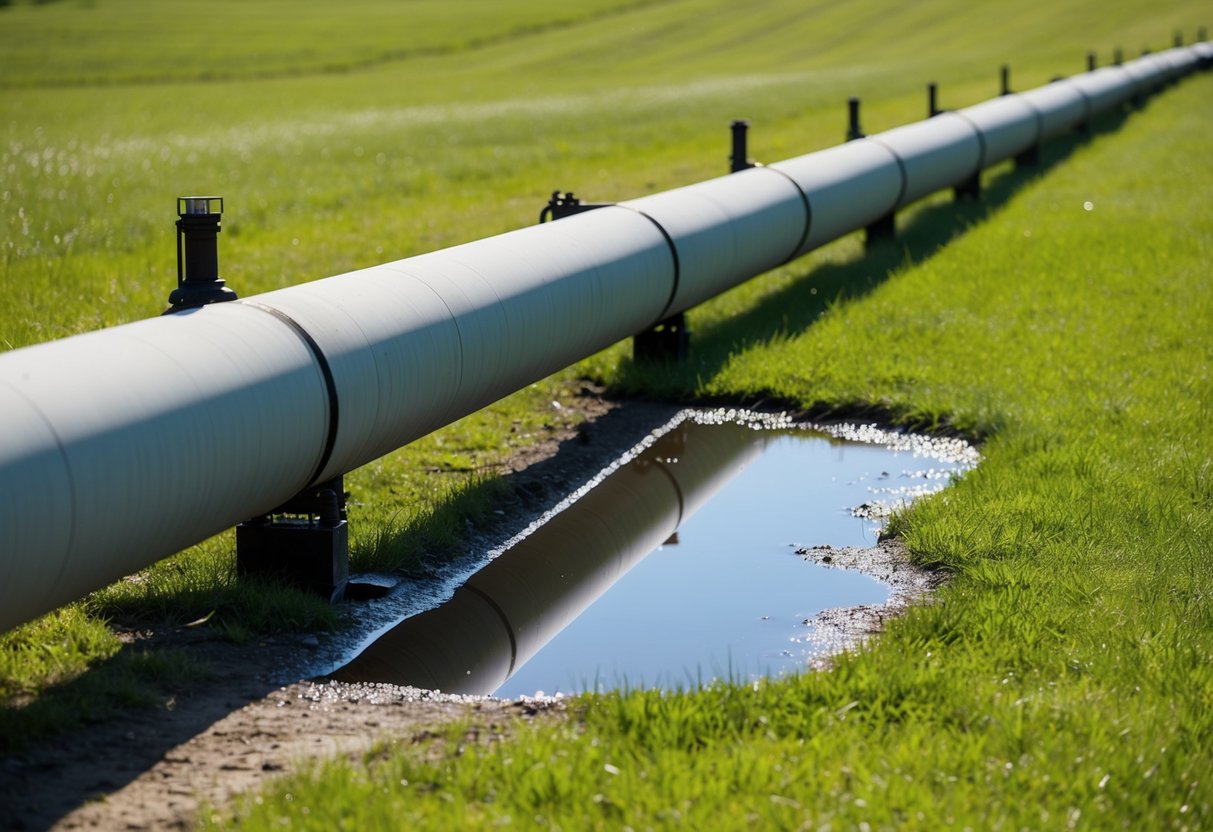
Various methods exist for detecting leaks, including both external and internal systems. External systems may involve the use of acoustic sensors, fiber optic cables, or satellite monitoring to detect changes in the environment surrounding the pipeline. Internal systems can use smart pigs equipped with sensors that travel through the pipeline to assess the condition of the pipe and identify any leaks. Each method has its advantages and challenges, and the choice of system often depends on the specific pipeline configuration and environmental considerations.
Moreover, the integration of drones equipped with thermal imaging cameras has revolutionized the way companies approach leak detection. These drones can quickly cover vast areas, providing visual data that can identify potential leaks and hazards, allowing for timely intervention. This technology not only improves detection rates but also reduces the time and manpower needed for inspections. Additionally, advancements in satellite technology have enabled remote monitoring of pipelines, providing another layer of assurance in leak detection strategies.
Future Prospects of Pipeline Leak Detection Technologies
The future of pipeline leak detection technologies looks promising, as research continues to advance. Emerging methodologies such as blockchain for asset management could enhance accountability and transparency in monitoring pipeline integrity. The use of predictive analytics will allow companies to anticipate leaks before they happen by analyzing historical data and real-time monitoring results. As the industry shifts towards greener alternatives, we can expect a surge in innovations aimed at minimizing environmental impacts while ensuring safety.
Technologies have advanced, offering solutions that enhance the accuracy and speed of leak identification. Recent innovations include machine learning algorithms that analyze data from various sensors in real-time, significantly improving the detection rate of leaks. These smart technologies can reduce false positives and help operators make informed decisions quickly, ensuring a rapid response to potential leaks.
Finally, collaboration among industry stakeholders, regulators, and technology developers will be essential in shaping the landscape of pipeline leak detection moving forward. By sharing insights and best practices, the industry can collectively enhance detection capabilities, ensuring that every new development contributes to a safer and more sustainable future in pipeline operations.
Understanding Pipeline Leak Detection and Its Importance
In addition, proactive maintenance and regular training for personnel are essential components of a comprehensive leak detection strategy. Continuous education on the latest technologies and best practices can empower staff to respond effectively to potential leaks, thereby minimizing risks. Companies should also conduct routine drills to ensure that employees are well-prepared for emergency scenarios. This comprehensive approach fosters a culture of safety and responsibility, crucial for the long-term success of pipeline operations.
This blog post will explore the different types of leak detection methods and highlight how modern innovations enhance pipeline integrity. In addition, we will look at case studies of successful leak detection implementations that prevented major incidents and discuss the future of these technologies as the industry moves towards greater sustainability and safety measures.
Understanding how pipeline leak detection works is important for anyone involved in the oil and gas industry. The implications of leaks extend beyond immediate damage; there are long-term effects on ecosystems and communities. By improving leak detection, companies can also enhance their compliance with regulations, which increasingly demand higher safety standards and environmental protection protocols.
With the right knowledge, operators can prevent leaks before they become serious issues, ensuring that pipelines operate safely and efficiently. Training and educating staff on the latest detection technologies and emergency response strategies is crucial for maintaining safety and minimizing potential fallout from leaks. As the industry evolves, continuous learning and adaptation will be key to staying ahead of potential challenges.