
Damp Wall Solution | Finding an effective Damp Wall Solution is crucial for homeowners facing issues with moisture and water damage in their walls. Damp Wall Solution can lead to serious problems, including mould growth, structural damage, and health risks if not addressed promptly.
By implementing appropriate measures and utilizing proven Damp Wall Solution, you can protect your home and maintain a healthy living environment, ensuring the longevity of your property.
Damp walls can be a frustrating and concerning issue for homeowners. Identifying the causes of moisture buildup is crucial for effective treatment.
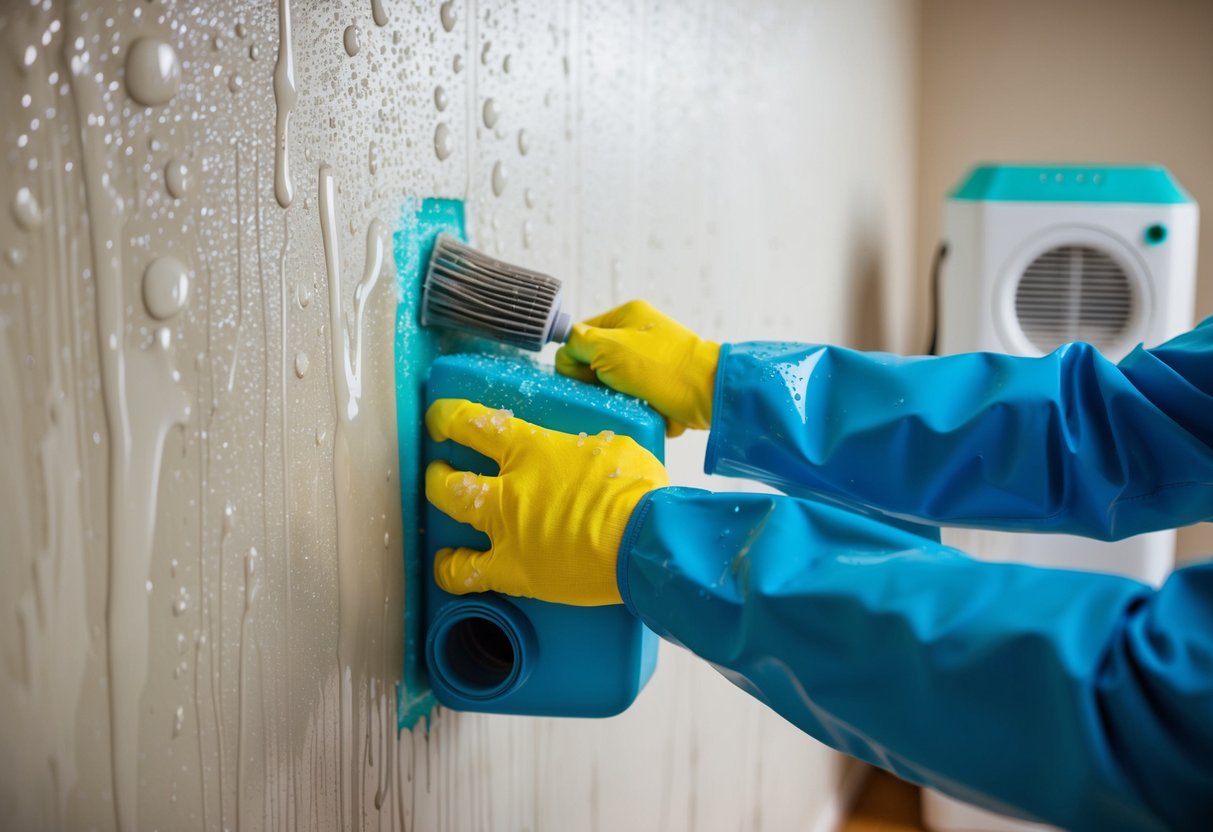
Implementing a Damp Wall Solution can greatly enhance your home’s resilience against moisture issues.
Common causes include poor ventilation, plumbing leaks, and inadequate damp-proofing.
Addressing these issues can not only improve the aesthetics of a home but also enhance its structural integrity.
Understanding how to manage dampness effectively can lead to a healthier living environment.
With the right knowledge and approach, homeowners can tackle damp walls with confidence. They can learn various methods of prevention and repair that ensure lasting results, protecting their property from the harmful effects of moisture.
Damp Wall Solution | Understanding Dampness
Understanding and utilizing a Damp Wall Solution can transform your approach to moisture management.
Dampness is a common issue in many buildings, affecting both aesthetics and structural integrity. Understanding its types, causes, and signs can help in addressing the problem effectively.
Types of Damp
There are three main types of dampness: rising dampness, penetrating dampness, and condensation dampness.
Having a reliable Damp Wall Solution can ease your concerns about rising moisture levels.
- Rising Damp occurs when moisture from the ground rises through walls. This typically happens in older buildings without a proper damp proof course. It can lead to dark stains and salt deposits.
- Penetrating Dampness happens when water seeps through walls due to leaks from roofs, pipes, or external surfaces. It often results in damp patches and peeling paint.
- Condensation Dampness is caused by excess humidity in the air, often from cooking, bathing, or drying clothes indoors. This type usually forms on cold surfaces and can lead to mould.
Causes and Sources
Dampness can stem from various sources.
- Ground moisture can penetrate buildings without a proper damp-proof course, leading to rising dampness.
- External factors like heavy rain can cause penetrating dampness, especially if there are cracks or issues with the roof or gutters.
- High indoor humidity from everyday activities can result in condensation dampness. Poor ventilation exacerbates this issue, allowing moisture to settle on surfaces.
Exploring various aspects of a Damp Wall Solution can lead to more effective outcomes.
A professional Damp Wall Solution can save you time and prevent future issues.
Implementing a Damp Wall Solution can improve overall home comfort and safety.
Implementing a Damp Wall Solution can improve overall home comfort and safety.
Signs of Damp
Recognising the signs of dampness is essential for timely intervention. Common indicators include:
- Damp patches on walls or ceilings, which may feel cold or wet to the touch.
- Musty smells often signal mould growth, a by-product of excess moisture and poor air circulation.
- Peeling wallpaper or flaking paint can indicate moisture behind surfaces.
- Salt deposits are visible in cases of rising dampness, resulting from water evaporation leaving salts behind.
Damp Wall Solution | Diagnosing Damp Issues
Determining the cause of dampness is essential to effectively treat the problem. A thorough assessment can include professional evaluations, the use of damp meters, and identifying any structural issues in the property. Here are the key methods for diagnosing damp issues.
Professional Assessment
A professional assessment is a reliable way to identify damp problems in a building.
Expert surveyors can identify signs of dampness through visual inspections. They look for indications such as mould growth, peeling paint, and damp patches on walls and ceilings.
During the assessment, professionals may also check the property’s ventilation and drainage systems. This ensures that moisture control measures are adequate.
If structural problems are evident, they can recommend solutions, helping to prevent future issues.
Investing in a professional assessment can save time and money, leading to proper remediation.
Using a Damp Meter
Damp meters are valuable tools for detecting moisture levels in various materials, especially walls. These devices can provide a quantitative assessment of dampness. By using a damp meter, one can measure the amount of moisture present in a wall or floor, providing clear data on possible issues. Moisture meters come in two types: resistance and capacitance meters. Resistance meters work by measuring electrical resistance, while capacitance meters gauge moisture through changes in capacitance. A reading above 20% moisture content typically indicates a damp issue. Using these meters can help pinpoint areas that require further examination or treatment.
Using a Damp Wall Solution helps identify underlying issues before they escalate.
Identifying Structural Problems
Structural problems often accompany damp issues. Cracks in walls and ceilings can allow water ingress, leading to more severe damp problems if not addressed.
Identifying these cracks is crucial for effective remediation.
Typical signs of structural issues may include uneven flooring, doors that stick, or visible fissures in the walls.
If these problems are present, it’s essential to consult a professional to evaluate the extent of the damage. Addressing structural problems not only helps eliminate dampness but also ensures the safety and integrity of the building.
Immediate Damp Remedies
To tackle damp walls effectively, it is essential to implement immediate remedies. These can significantly reduce moisture levels and prevent further damage.
Improving Ventilation
Proper ventilation is crucial to combat damp issues. Increased airflow helps reduce humidity, making damp conditions less likely. Simple actions like opening windows for longer periods can have a positive effect. For rooms prone to moisture, installing an extractor fan can enhance air circulation. This is especially beneficial in kitchens and bathrooms, where steam is common. Another option is to use a dehumidifier. This device removes excess moisture from the air, making it an effective short-term solution to damp problems. Regular maintenance, like cleaning filters, ensures maximum performance.
Managing Condensation
Consider a comprehensive Damp Wall Solution for long-term moisture control.
Condensation is a primary cause of damp walls. To manage it, start by adjusting indoor temperatures. Keeping a consistent temperature reduces the chances of condensation forming.
Insulating walls can also help by preventing cold surfaces from meeting warm, moist air. This minimises moisture build-up.
Using moisture-absorbing products, like silica gel or chemical damp absorbers, can assist in controlling humidity.
Regularly checking areas prone to condensation, such as corners and windows, allows for a swift response to damp spots.
Temporary Fixes
Temporary fixes can provide quick relief from dampness. For example, sealing small cracks in walls with a weatherproof sealant can provide a barrier against moisture. Covering damp patches with moisture-resistant paint can help. While this does not solve the underlying issue, it can prevent the damage from becoming worse. However, proper repairs should follow. Using towels or mops to dry wet areas immediately also helps to keep moisture at bay. This quick action can prevent mould growth and further damage.
Early intervention with a Damp Wall Solution can prevent extensive damage to your home.
Damp Wall Solution | Permanent Damp-Proofing Solutions
Early intervention with a Damp Wall Solution can prevent extensive damage to your home.
Addressing damp issues effectively requires permanent solutions. These methods create barriers against moisture, ensuring long-lasting protection for buildings. Each technique varies in application and effectiveness, is tailored to the specific needs of the structure.
Installation of Damp-Proof Course
A damp-proof course (DPC) is a horizontal barrier installed in walls to prevent moisture from rising through the material.
It is usually made from a waterproof material, such as a damp-proof membrane. The DPC needs to be at least 150 mm above ground level to stop rising damp.
When installing a DPC, the structure must be assessed to determine the best placement.
It may involve removing bricks from the wall and inserting the damp-proof layer. Proper installation is crucial, as any gaps can allow moisture to bypass the barrier.
Cost and material choice can vary, so consulting with a professional is recommended. A well-installed DPC can provide years of protection against dampness.
Consulting with experts about a Damp Wall Solution ensures effective moisture management.
Early intervention with a Damp Wall Solution can prevent extensive damage to your home.
Cavity Wall Treatments
Cavity walls are designed with a gap between two walls, which can help prevent dampness. However, if this cavity becomes bridged by insulation or debris, moisture may enter. To treat this, special cavity wall insulation materials can be used. There are options for injecting a damp-proofing agent into the cavity. This creates a hydrophobic layer, which repels water. Additionally, existing insulation can be removed and replaced with water-resistant materials, which will prevent moisture accumulation. Regular checks are advisable to ensure the cavity remains clear of blockages. This treatment can greatly enhance the durability of the building.
External Wall Protection
Protecting external walls from moisture is vital in damp-proofing strategies. Render and damp-proof paint are commonly used on exterior surfaces to create a water-resistant barrier. These materials can be applied with ease and offer immediate benefits. When applying render, it is essential to choose a breathable product that allows moisture to escape while repelling water. This prevents trapped moisture, which can lead to damage and mould growth. Damp-proof paint is another effective option. It can be used on bricks and concrete to create a waterproof layer. Regular maintenance of external walls enhances their lifespan and reduces the risk of developing dampness.
Tanking and Waterproofing
Tanking is a method where waterproof materials are applied directly to the walls of a structure. This is often used in basements. This approach provides an impermeable barrier, preventing moisture ingress. The tanking process involves a thorough cleaning of the wall surface. Then, a waterproof layer like a damp-proof membrane is applied. After the tanking process, walls are often covered with a protective render to shield the membrane from damage. Regular monitoring is essential to ensure the tanking continues to function as intended. Waterproofing products can also be applied to external walls and foundations. This additional layer of protection helps ward off penetrating dampness from heavy rains or rising groundwater. Effective tanking solutions are significant for maintaining dry indoor conditions.
Choosing the right Damp Wall Solution is essential for a long-lasting impact.
Damp Wall Solution | Repairing Damage from Damp
Choosing the right Damp Wall Solution is essential for a long-lasting impact.
To keep walls dry and prevent damp problems, specific measures can be taken, including proper maintenance of gutters and drainage systems.
Regular maintenance of gutters is essential. Clogged gutters can lead to water overflow, causing dampness in walls.
Understanding the importance of a Damp Wall Solution can save homeowners significant costs.
Repairing the damage caused by dampness involves multiple steps that target specific issues. Key areas include treating mould and mildew, addressing rot, and redoing plastering and decoration. Each aspect plays a vital role in restoring the affected areas effectively.
Involving professionals in your Damp Wall Solution can make a significant difference.
Letting professionals handle your Damp Wall Solution can ensure peace of mind.
Treating Mould and Mildew
Mould and mildew can grow rapidly in damp areas. They thrive in dark, moist conditions, making immediate treatment essential.
Implementing a Damp Wall Solution can improve overall home comfort and safety.
Utilizing a Damp Wall Solution effectively creates a healthier living environment.
To keep walls dry and prevent damp problems, specific measures can be taken. These include proper maintenance of gutters and drainage systems, ensuring adequate insulation, and regular monitoring of home conditions. Each of these aspects plays a critical role in combating moisture issues.
Regular maintenance of gutters and drainage systems is essential. Clogged gutters can cause water to overflow, leading to dampness in walls.
Understanding the importance of a Damp Wall Solution can save homeowners significant costs.
Letting professionals handle your Damp Wall Solution can ensure peace of mind.
Start by wearing protective gear, such as gloves and masks, to avoid inhaling spores. Then, use a mixture of water and vinegar or a commercial mould remover. Apply the solution to the affected areas with a brush.
Involving professionals in your Damp Wall Solution can make a significant difference.
Letting professionals handle your Damp Wall Solution can ensure peace of mind.
For severe cases, a scrub brush may be necessary. After cleaning, ensure the area is well-ventilated to allow proper drying. This helps prevent future growth.
Regular monitoring of home conditions can identify early signs of dampness.
Additionally, consider using anti-mould paint on walls to create a barrier against moisture.
Implementing a Damp Wall Solution can improve overall home comfort and safety.
Utilizing a Damp Wall Solution effectively creates a healthier living environment.
A comprehensive Damp Wall Solution includes identifying and treating rot issues.
Addressing Rot Issues
Taking the right steps with a Damp Wall Solution can restore the integrity of your property.
Seeking professional help for damp issues is crucial for effective long-term solutions.
Letting professionals handle your Damp Wall Solution can ensure peace of mind.
Integrating a Damp Wall Solution into your home maintenance can yield long-term benefits.
Both wet rot and dry rot can affect the structural integrity of a property. Wet rot thrives in moist conditions, while dry rot can spread in seemingly dry wood. To address these issues, the first step is to identify and eliminate the source of moisture. Once resolved, remove any rotting wood. For wet rot, ensure the area is dried out completely. In cases of dry rot, affected timber may need to be replaced with treated wood. Then, applying a fungicidal treatment after removal helps kill any remaining spores. Regular inspections of wooden structures are crucial to prevent rot from returning.
Plastering and Redecoration
Implementing a Damp Wall Solution ensures a proactive approach to moisture management.
After addressing mould and rot, plastering and redecoration are the final steps. If damp patches remain, it is vital to repair them before painting.
Improving the environment within a home includes managing heating, ventilation, and moisture control. Taking steps in these areas enhances comfort and reduces the risk of dampness.
Regular monitoring of home conditions can identify early signs of dampness.
Start by removing any damaged plaster. Use a damp-proofing plaster to replace it, ensuring it is applied evenly. This type of plaster allows walls to breathe, reducing future damp issues.
Effective heating is essential for maintaining a comfortable indoor environment, reducing humidity levels that can prevent dampness.
Once the plaster has dried, the walls can be painted. Using a breathable paint designed for damp conditions can help protect the surface.
Air gap membranes are a vital solution for controlling moisture in building structures, preventing water ingress while allowing vapour to escape.
Finally, redecorate the room as desired. Good ventilation is important after decorating to maintain a dry environment and prevent further damp problems.
After addressing mould and rot, plastering and redecoration are the final steps. If damp patches remain, it is vital to repair them before painting. Start by removing any damaged plaster. Use a damp-proofing plaster to replace it, ensuring it is applied evenly. This type of plaster allows walls to breathe, reducing future damp issues. Once the plaster has dried, the walls can be painted. Using a breathable paint designed for damp conditions can help protect the surface. Finally, redecorate the room as desired. Good ventilation is important after decorating to maintain a dry environment and prevent further damp problems.
Damp Wall Solution | Preventative Measures
Regular checks can enhance the effectiveness of your Damp Wall Solution.
Seeking professional help for damp issues is crucial for effective long-term solutions.
Integrating a Damp Wall Solution into your home maintenance can yield long-term benefits.
To keep walls dry and prevent damp problems, specific measures can be taken. These include proper maintenance of gutters and drainage systems, ensuring adequate insulation, and regular monitoring of home conditions. Each of these aspects plays a critical role in combating moisture issues.
Maintaining Gutters and Drainage
Regular maintenance of gutters and drainage systems is essential. Clogged gutters can cause water to overflow, leading to dampness in walls. It is vital to clean gutters at least twice a year to remove leaves and debris. Homeowners should also ensure that downspouts direct water away from the foundation. Use extensions if necessary. Good drainage around the property helps prevent water from pooling and infiltrating walls. Additionally, check for any leaks in roof tiles that may feed into the drainage system. Repairing any damaged roofing or drainage components is crucial to stop moisture from entering the home.
Ensuring Proper Insulation
Improving the environment within a home includes managing heating, ventilation, and moisture control. Taking steps in these areas not only enhances comfort but also reduces the risk of dampness.
Understanding the importance of a Damp Wall Solution can save homeowners significant costs.
Involving professionals in your Damp Wall Solution can make a significant difference.
Effective heating is essential for maintaining a comfortable indoor environment. Keeping spaces warm helps to reduce humidity levels, which can prevent dampness. Gas or electric heaters should be used to achieve a consistent temperature throughout the home.
Choosing the right Damp Wall Solution is essential for a long-lasting impact.
Air gap membranes are a vital solution for controlling moisture in building structures. These membranes provide a barrier that prevents water ingress while allowing vapour to escape. This helps to prevent the development of mould and damp problems.
Letting professionals handle your Damp Wall Solution can ensure peace of mind.
Proper insulation is critical to prevent dampness. Cavity trays, installed during construction, help direct moisture away from walls. It is essential to ensure these trays are intact and functioning. Homes should also consider cavity insulation to help regulate temperature and humidity levels. Using materials like mineral wool can help manage heat flow and reduce condensation. Another important aspect is ensuring that there are adequate weep holes in cavity walls. These small openings allow trapped moisture to escape, preventing dampness from building up inside. Keeping these weep holes clear is necessary for proper ventilation.
Implementing a Damp Wall Solution can improve overall home comfort and safety.
Regular Monitoring
Utilizing a Damp Wall Solution effectively creates a healthier living environment.
Regular monitoring of home conditions can identify early signs of dampness. Inspect walls for any discolouration or peeling paint, which may indicate moisture issues. Residents should also check the areas around window seals and door frames for any potential leaks. Keeping an eye on these spots can help address problems before they escalate. Using a dehumidifier can assist in managing indoor humidity levels. Aim for a humidity level between 40-60% for optimal comfort. Regularly checking and maintaining ventilation systems also supports a dryer environment.
Damp Wall Solution | Professional Damp-Proofing Services
Integrating a Damp Wall Solution into your home maintenance can yield long-term benefits.
Seeking professional help for damp issues is crucial for effective long-term solutions. Understanding how to select a qualified contractor and the importance of guarantees can make a significant difference in preventing future damp problems.
Selecting a Damp-Proofing Contractor
When choosing a damp-proofing contractor, it is vital to look for experience and qualifications. A reputable contractor should have a strong track record in diagnosing and treating damp issues. It is beneficial to check for certifications from recognised bodies. For instance, membership in the Property Care Association (PCA) indicates a level of professionalism. Contractors should offer a thorough, professional assessment to identify the specific nature of the dampness. Reviews and recommendations from past clients can also provide valuable insights. Getting multiple quotes helps in understanding the costs and options available. A reliable contractor will explain the damp-proof course options, such as chemical injections or a damp-proof membrane, clearly and thoroughly.
Understanding Damp-Proofing Guarantees
Damp-proofing guarantees are essential for homeowner peace of mind. A solid warranty typically covers workmanship and materials used in the damp-proofing process. This guarantee can last several years and sometimes even the lifetime of the property. It’s crucial to read and understand the terms and conditions. Some guarantees may require regular maintenance to remain valid, while others do not. A reputable company will provide a clear explanation of what the guarantee covers and any actions required from the homeowner. Additionally, some contractors offer insurance-backed guarantees. This option protects the homeowner financially if the contractor fails to uphold their responsibilities.
Damp Wall Solution | Improving Home Environmental Conditions
Improving the environment within a home includes managing heating, ventilation, and moisture control. Taking steps in these areas not only enhances comfort but also reduces the risk of dampness.
Heating and Air Quality
Effective heating is essential for maintaining a comfortable indoor environment. Keeping spaces warm helps to reduce humidity levels, which can prevent dampness. Gas or electric heaters should be used to achieve a consistent temperature throughout the home. To improve air quality, ensure sufficient ventilation. Extractor fans in bathrooms and kitchens can help reduce moisture caused by cooking or showering. Regular maintenance of heating systems improves efficiency, promoting better airflow and warmer spaces. It is also crucial to monitor humidity levels. Ideally, indoor humidity should be between 30% and 50%. A dehumidifier may be beneficial in areas prone to high moisture. This combination of heating and improved ventilation creates a drier, healthier living atmosphere.
Damp Wall Solution | Using Air Gap Membranes
Air gap membranes are a vital solution for controlling moisture in building structures. These membranes provide a barrier that prevents water ingress while allowing vapour to escape. This helps to prevent the development of mould and damp problems. Installing air gap membranes is particularly useful in areas with poor ventilation. They can be placed behind walls or under floors to create a dry environment. This is crucial in basements or ground floors where rising dampness is common. These membranes are often breathable. This means they allow air circulation, preventing the buildup of humidity. At the same time, they also safeguard the structural integrity of the building. Proper installation and material choice ensure maximum effectiveness in managing moisture and enhancing overall air quality.