
Pinpoint accuracy water leak detection is essential for preventing extensive damage and costly repairs in homes and businesses. With advanced techniques, pinpoint accuracy water leak detection precisely identifies the source of leaks, helping avoid unnecessary digging or structural disruption. This proactive approach not only saves money but also ensures a safer living environment by preventing mold growth and structural damage due to water intrusion. For example, residential properties that implement advanced leak detection systems can often identify small leaks before they become significant issues, leading to substantial cost savings over time.
Innovations in leak detection technologies enhance water conservation and improve infrastructure management. Technologies such as acoustic sensors, moisture detection devices, and machine learning algorithms are revolutionizing the field. For instance, smart sensors can detect even the slightest change in water pressure, alerting homeowners and facility managers to leaks before they escalate. This shift towards smart technology not only aids in immediate leak detection but also contributes to long-term water conservation efforts, aligning with global sustainability goals.
Pinpoint Accuracy Water Leak Detection | Fundamentals of Water Leak Detection
Benefits of Pinpoint Accuracy Water Leak Detection
Water leak detection is essential for maintaining a reliable water supply and minimizing water losses. The consequences of undetected leaks can extend far beyond just increased water bills; they can lead to major property damage, significant repair costs, and even health risks associated with mold and mildew growth. For businesses, this can mean lost productivity and negative impacts on the bottom line. Therefore, understanding the importance of early leak detection is crucial in both residential and commercial settings.
Understanding the importance of identifying leaks, the structure of water distribution networks, and the common types of leaks can help improve efficiency and resource management. Common types of leaks include those from pipes, fittings, and joints which may not be easily visible. For example, a small leak in a joint can waste hundreds of gallons of water over time. By educating property owners on how to recognize signs of leakage, such as damp spots or unusual water bills, proactive measures can be taken to mitigate damage.
Effective pinpoint accuracy water leak detection is invaluable, especially in hard-to-reach areas like walls and floors, where undetected leaks can lead to severe issues. By investing in pinpoint accuracy water leak detection, homeowners ensure quick, efficient solutions that protect their property and reduce repair costs. Technologies such as infrared thermography and ultrasonic leak detection are becoming increasingly popular for their ability to locate leaks without invasive measures. This is particularly important in older buildings where traditional methods may cause damage or require extensive renovations.
Water loss in facilities can lead to significant costs and potential damage. For commercial properties, the impact of undetected leaks can be even more significant, as they can disrupt operations and result in production delays. Implementing a comprehensive leak detection strategy is essential for any business that relies on consistent water supply, ensuring that operations run smoothly while also adhering to regulatory standards regarding water usage.
Pinpoint accuracy water leak detection is essential for preventing these issues by quickly locating leaks within a water distribution system. This allows for timely repairs that can save both money and resources in the long run. The integration of smart technology allows for real-time monitoring, which can alert users immediately when a leak is detected, further minimizing the risk of damage and loss.
Advanced technologies such as dynamic leak detection systems allow for immediate identification of leak locations, making it easier to address problems before they escalate. For example, continuous monitoring systems can analyze water usage patterns and alert property owners to irregularities that may indicate a leak. Such proactive measures are becoming standard practice in both residential and commercial properties, helping to ensure sustainability and efficiency.
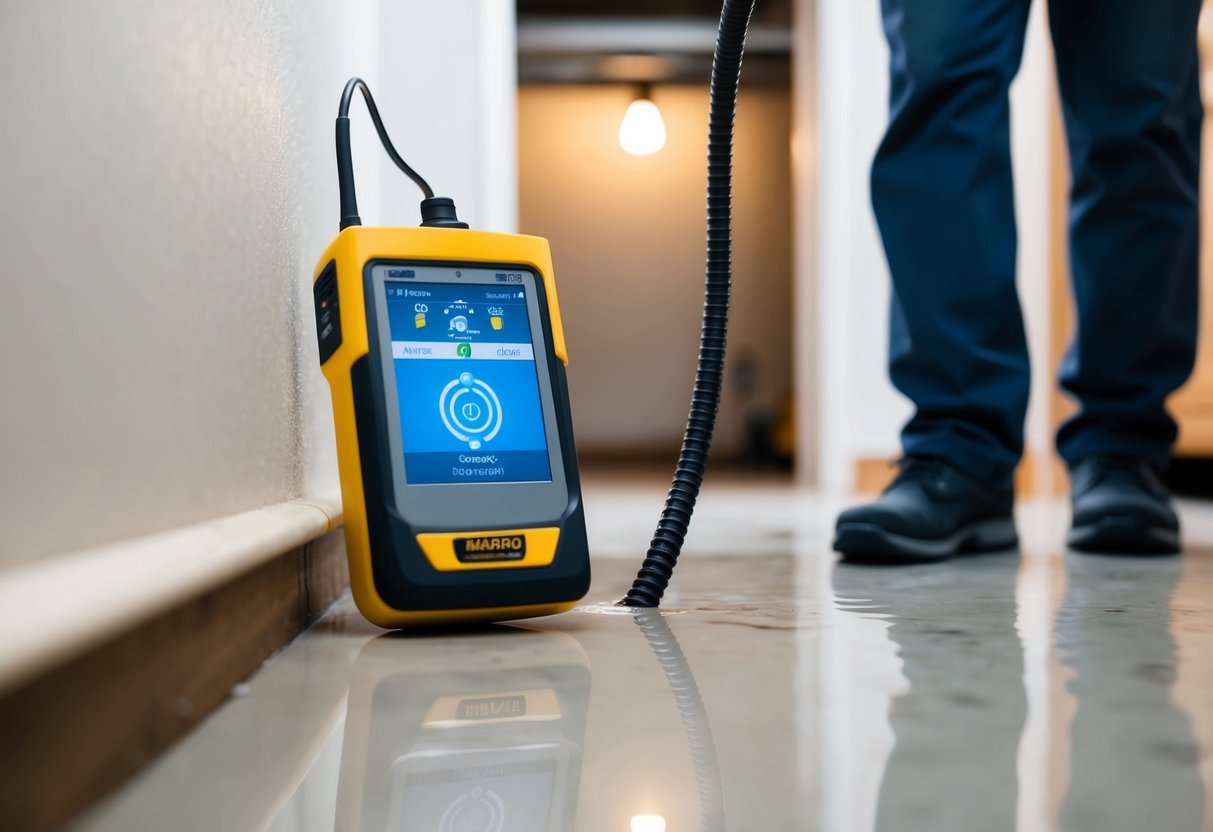
Traditional methods often fall short, sometimes only indicating a general area instead of an exact leak site. This can lead to unnecessary excavation and repairs, which not only increases costs but can also result in disruption to the property. Newer technologies are designed to pinpoint leak locations with high precision, drastically reducing the amount of time and resources spent on leak detection.
Newer solutions, like those utilizing thermal images and other innovative techniques, are changing how leak detection is approached. These methods minimize false alarms and enhance the efficiency of maintenance efforts. For instance, thermal imaging can visualize temperature differences caused by moisture, quickly identifying the source of a leak without invasive probing.
By adopting pinpoint accuracy water leak detection strategies, organizations can protect their assets and preserve vital resources. This not only leads to immediate benefits in terms of reduced damage and repair costs but also contributes to long-term sustainability practices. Organizations that prioritize leak detection are often viewed more favorably by both consumers and stakeholders, enhancing their reputation and marketability.
Understanding and implementing these advanced systems can make all the difference in maintaining a reliable water distribution network. As water scarcity becomes an increasingly pressing global issue, effective leak detection will play a crucial role in conserving water resources and ensuring that water systems remain efficient and sustainable for future generations.